
Facebook icon
Hospitals 14 August 2026

Culture by Design: Shaping public health facilities with First Peoples Voices
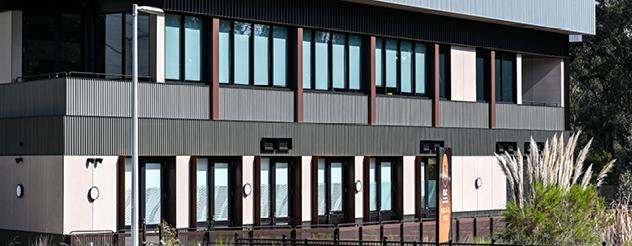
Cultural safety is a fundamental design principle for health infrastructure in Victoria, helping ensure facilities are welcoming, inclusive and respectful of First Peoples cultures, identities and experiences.

In healthcare design, this means sharing decision-making with First Peoples communities from the earliest stages, so new and upgraded facilities reflect Culture, Country and community needs.

At the Angliss Hospital expansion on Wurundjeri Country, this approach has been brought to life through design elements shaped with Senior Wurundjeri Elder Aunty Joy Murphy Wandin and her son Craig.

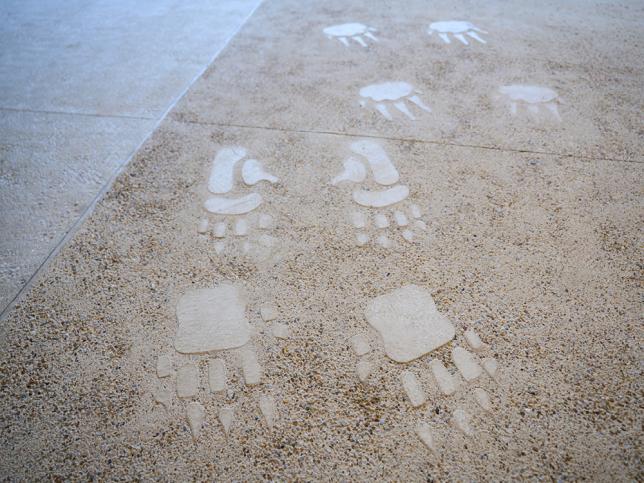
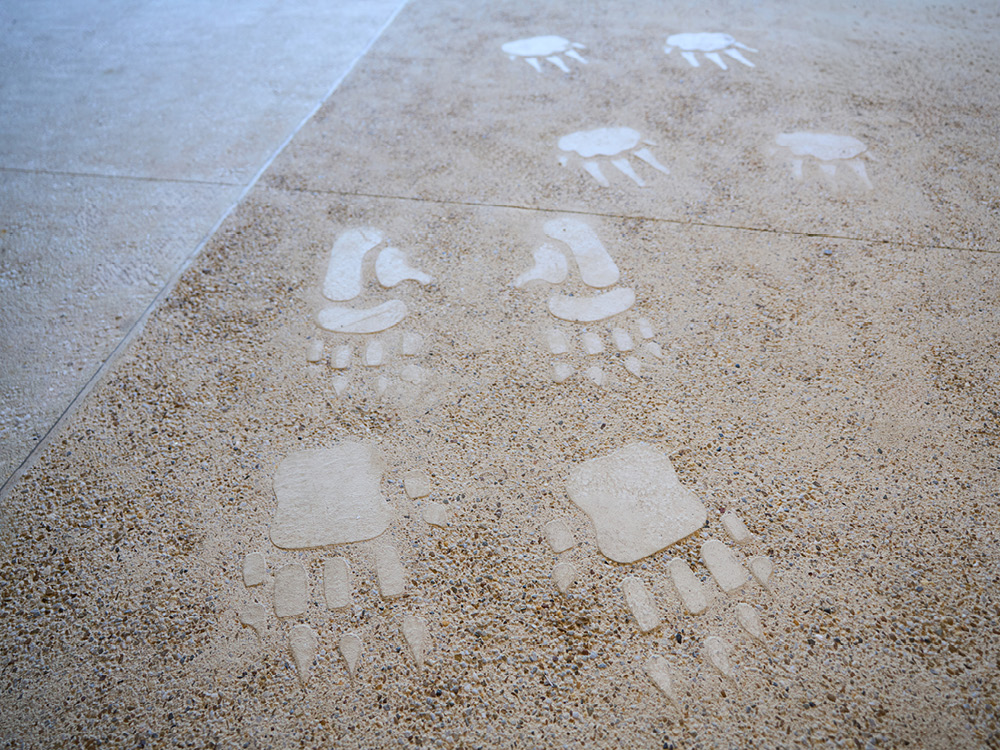
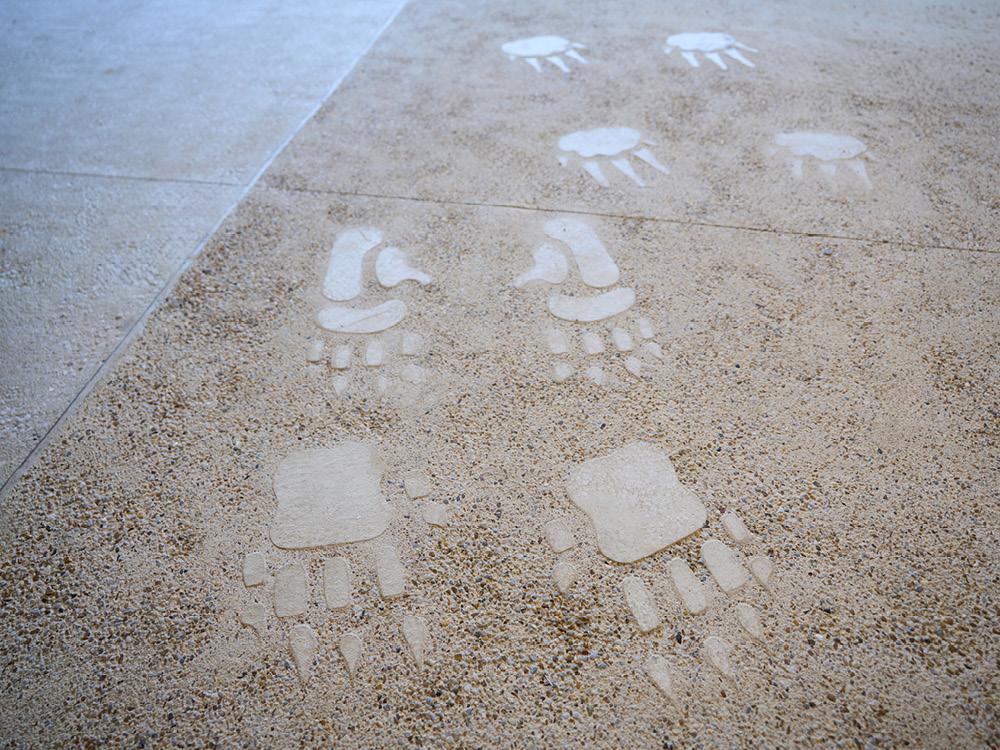
Footprint and track motifs embedded in a textured floor surface as part of an Indigenous wayfinding design.

Footprint artwork guides visitors through the Angliss Hospital grounds
How physical environments can either act as barriers to care or welcoming spaces for healing

The National Safety and Quality Health Service Standards state that ‘the health service organisation demonstrates a welcoming environment that recognises the importance of cultural beliefs and practices of Aboriginal and Torres Strait Islander people.’

For First Peoples, institutional-looking facilities or the absence of visible cultural elements can create barriers to care. Entrances, signage, local language, cultural imagery and staff capability all influence whether a space feels safe, respectful and welcoming.

A culturally welcoming health facility is one where First Peoples feel safe, accepted, listened to and confident they will receive respectful, high-quality care.

That is why collaborating with Traditional Owners is critical to designing spaces that reflect cultural values and support holistic healing.

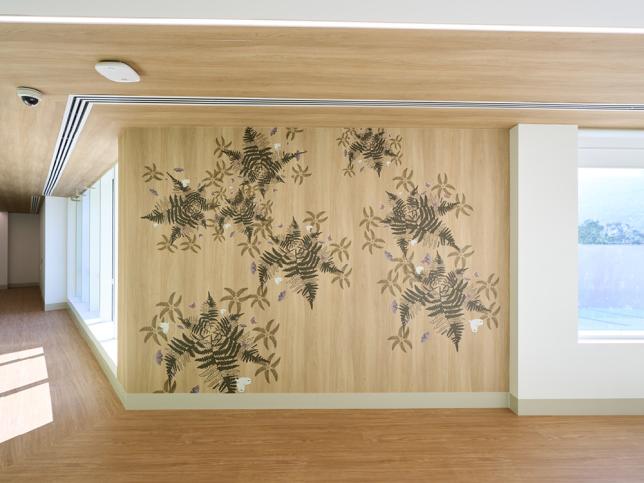
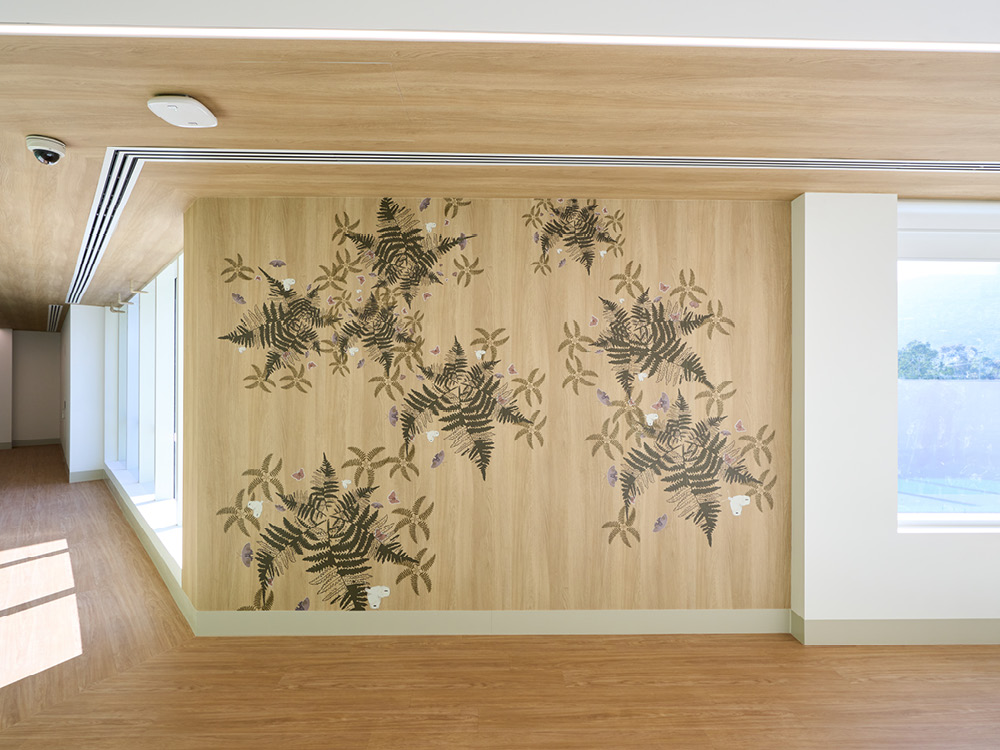
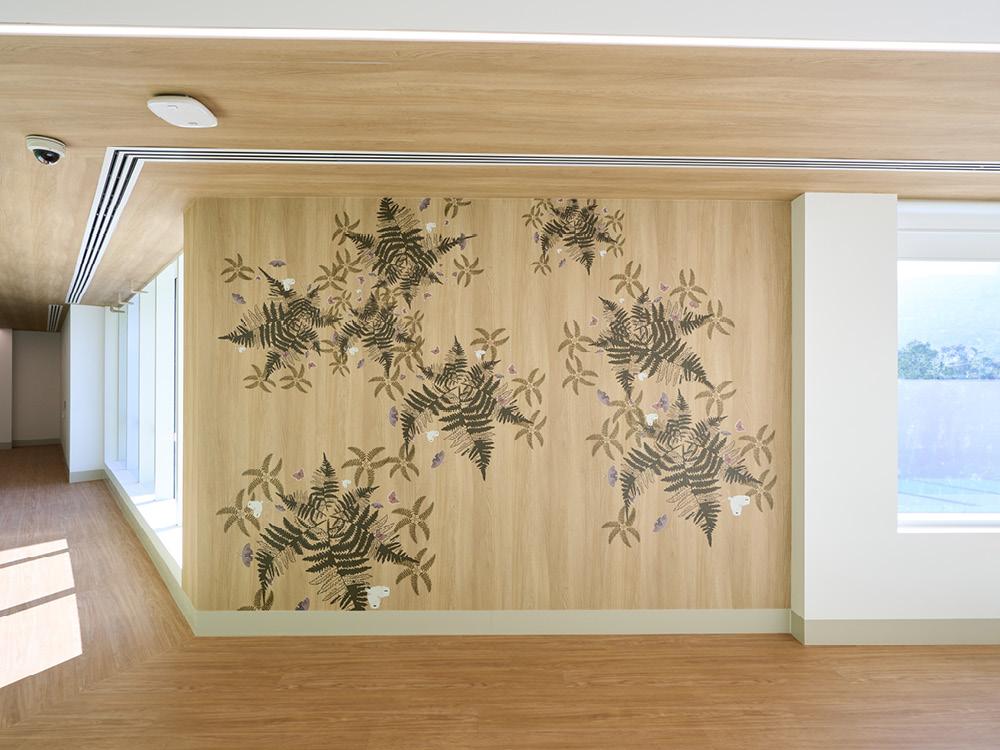
Nature-inspired wall artwork featuring fern leaves and native flora in a hospital corridor.

Angliss Hospital – main entrance

Engaging First Peoples communities in the design process

Listening to First Peoples voices helps us design and retrofit spaces that respect and celebrate Culture, use appropriate imagery, and acknowledge the Country on which we build and provide care.

Authentic engagement means involving communities early, listening to their needs and ideas, and embedding their perspectives in decisions at every stage.

Across Victoria’s health infrastructure program, this approach is informing major hospital builds and expansions, ambulance branches, residential aged care facilities, mental health facilities and early parenting centres. At the Angliss Hospital expansion, it is reflected in close collaboration with Wurundjeri voices to embed Culture, Country and community into the design.

Cultural Safety in practice: Embedding Wurundjeri culture in the Angliss Hospital expansion

Located at the foot of the Dandenong Ranges on Wurundjeri Country, Angliss Hospital was established in 1939 and named after Sir William Angliss, a local politician and philanthropist who contributed financially to the hospital’s foundation.

In 2021, the Victorian Government announced funding to expand the ageing hospital with a new multi-storey building, delivering a new inpatient unit, four operating theatres, a new central sterile supply department, and spaces for outpatient services.

Recognising the importance of creating culturally safe spaces and celebrating Wurundjeri culture in the hospital expansion, a cultural consultancy was engaged to work with Senior Wurundjeri Elder Aunty Joy Murphy Wandin and her son Craig, on design ideas for the project.

The consultancy facilitated a series of workshops, where Aunty Joy and Craig collaborated with the architect, landscape architect, and representatives from VIDA Health and Eastern Health, to ensure that the design of the project incorporated Wurundjeri cultural values, local stories, and meaningful connections to Culture and Country. All ideas and designs were considered with the final plans reflecting key cultural elements.

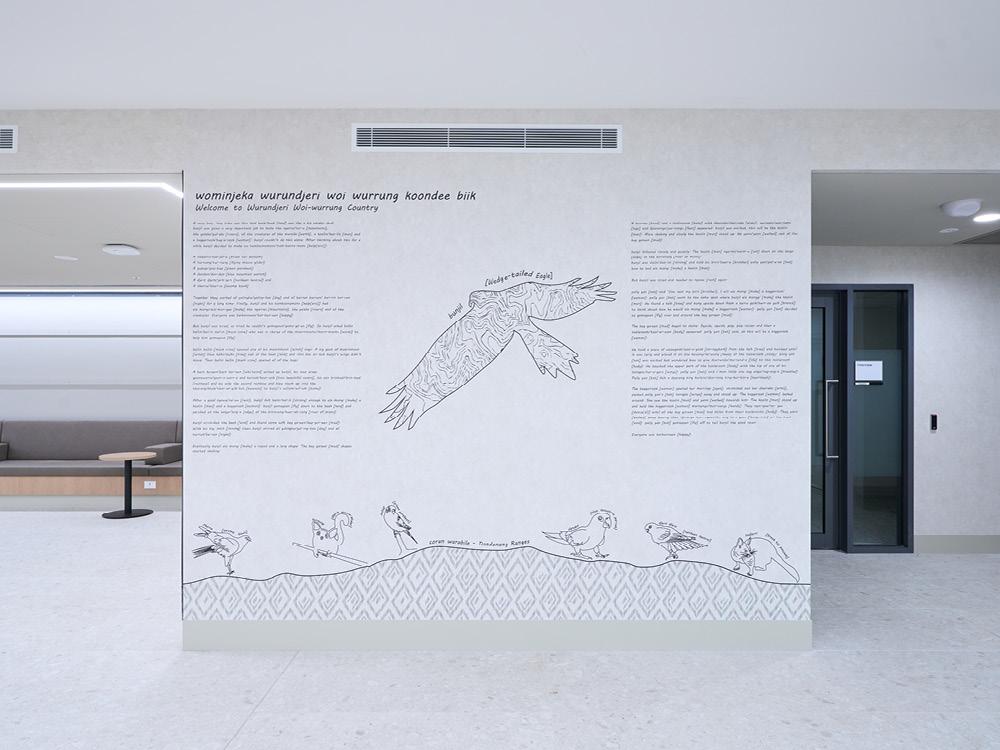
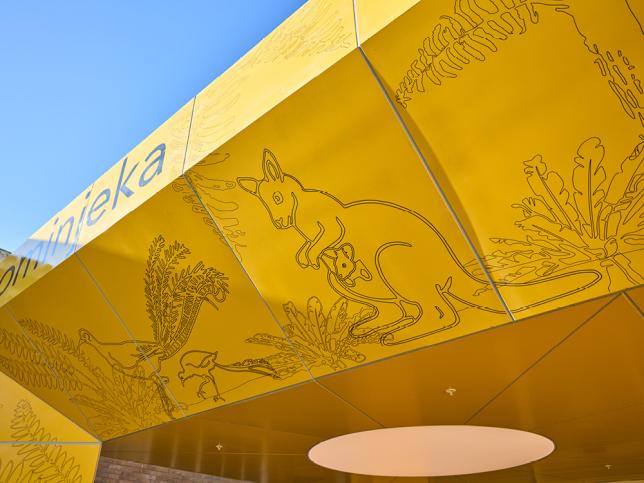
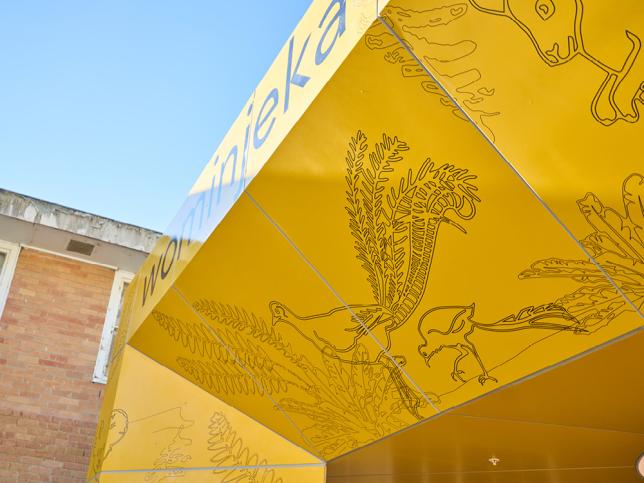
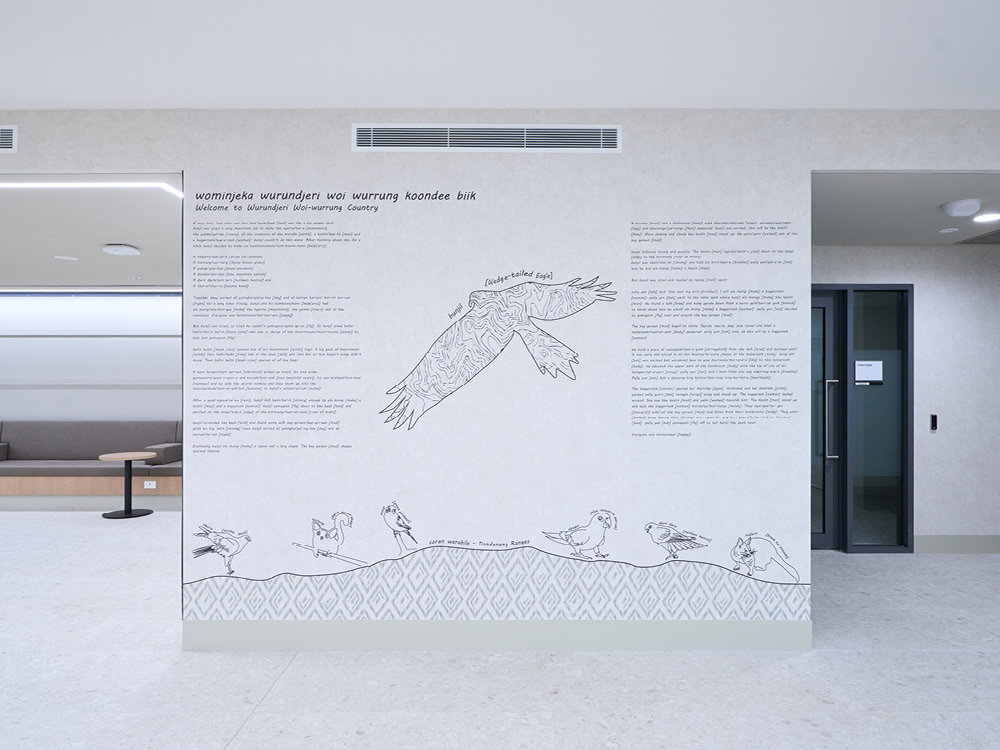
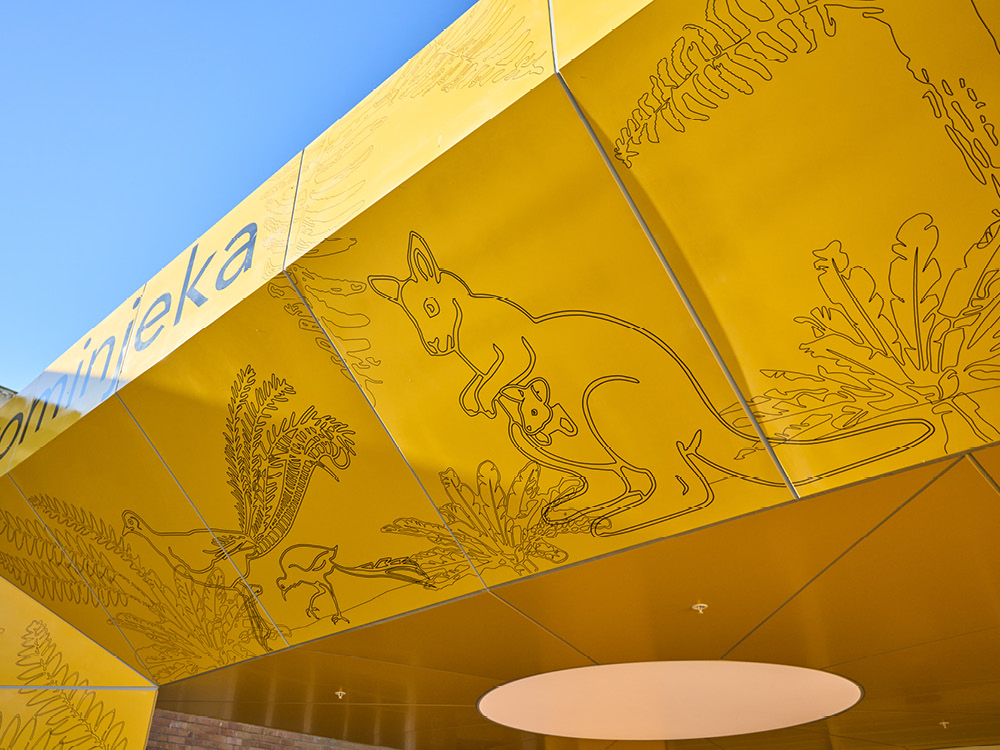
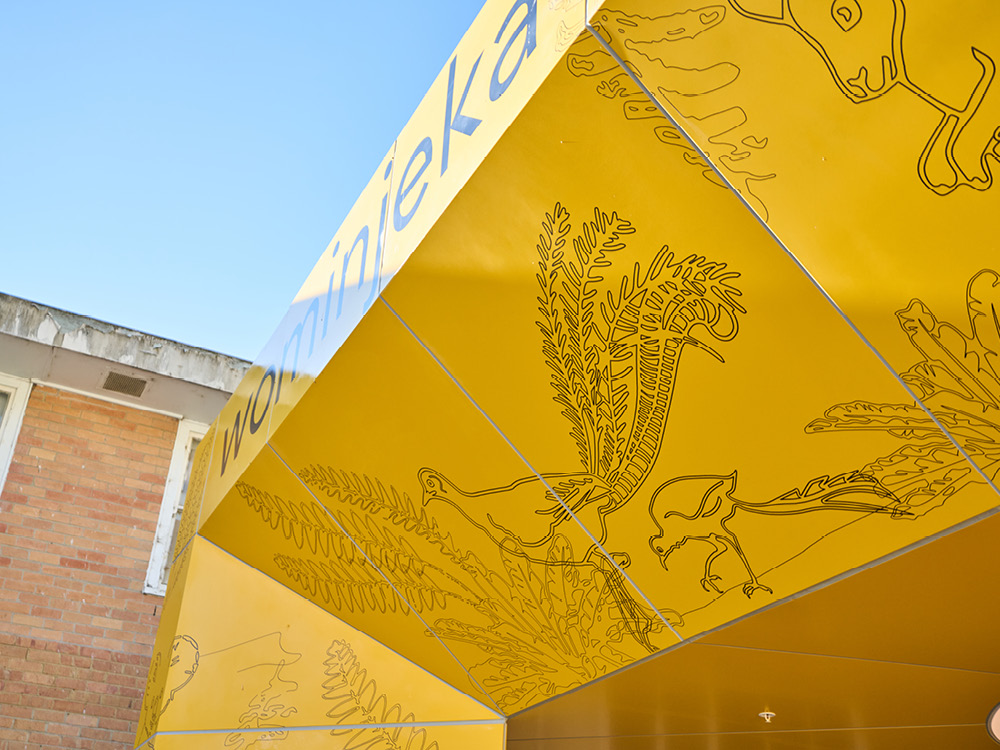
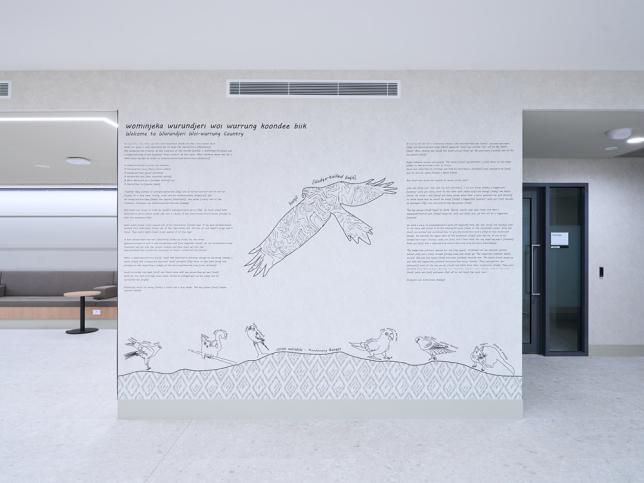
Visitors and staff are now welcomed by lyrebird and fern motifs at the main entry, symbolising the rich natural environment of the nearby Dandenong Ranges. The entry also features wall designs that incorporate the distinctive silhouette of the Dandenong Ranges, alongside a creation story depicting Bunjil the Creator as an eagle, accompanied by Bunjil’s helpers. The foyer will also include timber panelling featuring an etched image of Uncle Bill Onus, a Wiradjuri and Yorta Yorta man who lived and worked in the local community, throwing a boomerang. His son Lin Onus’ work also inspired the butterfly wallpaper in the level 1 foyer, which was designed in consultation with Aunty Joy and Craig Murphy. These elements connect the hospital to Country and provide a sense of place and belonging for all who enter.

Indigenous artwork featuring local language, bird illustrations and cultural stories displayed on a hospital interior wall.

Bunjil artwork at the Angliss Hospital entrance
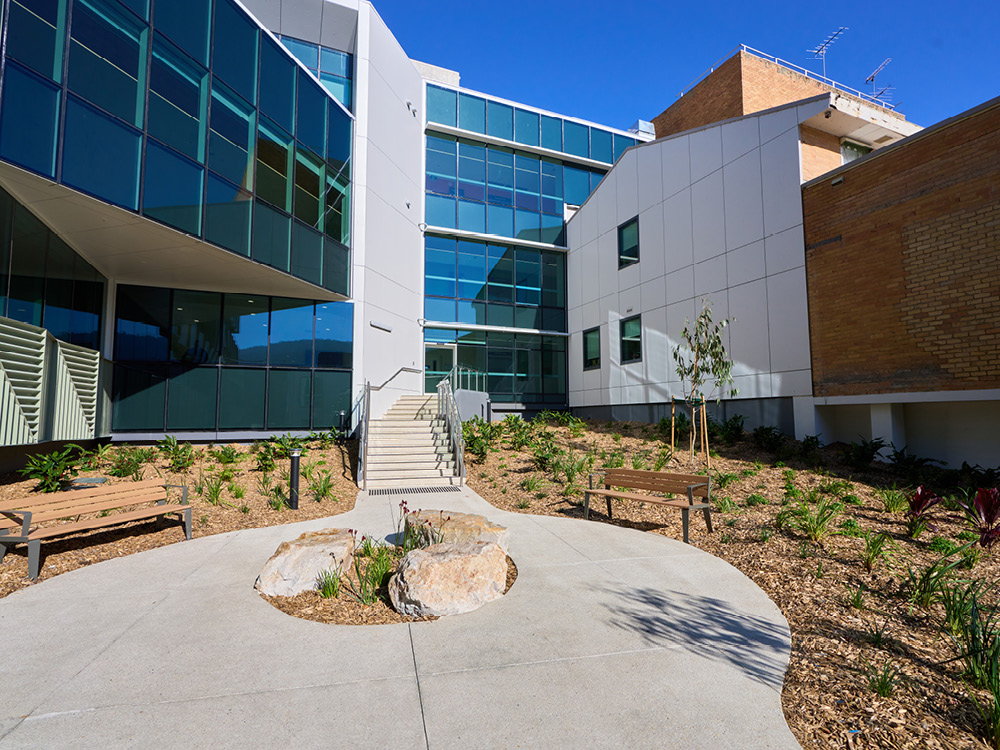
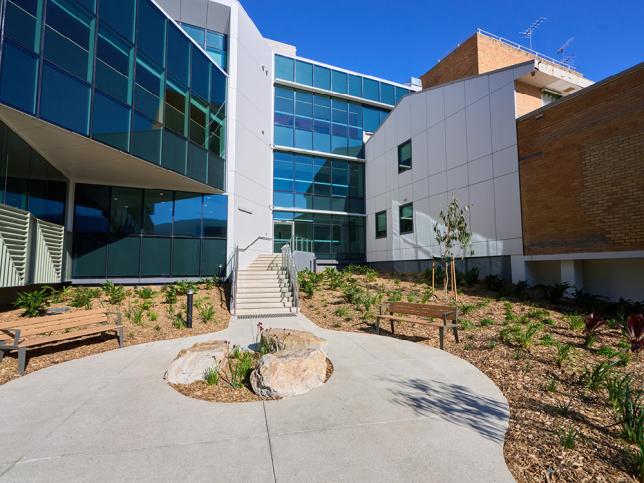
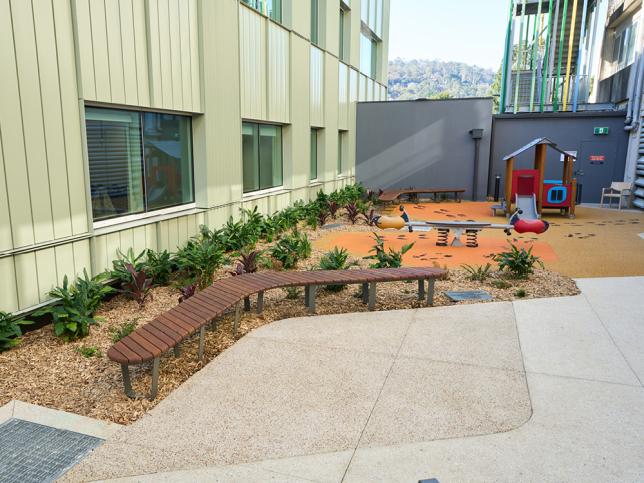
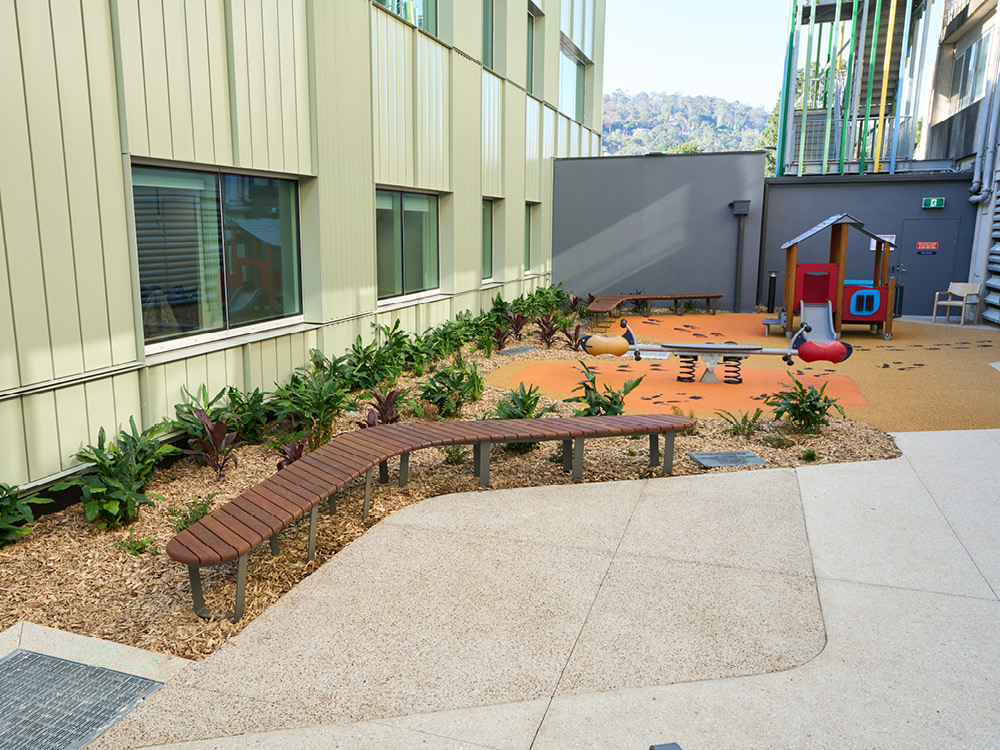
Landscaped hospital courtyard with seating, native planting and a modern building facade
Courtyard gathering space at Angliss Hospital

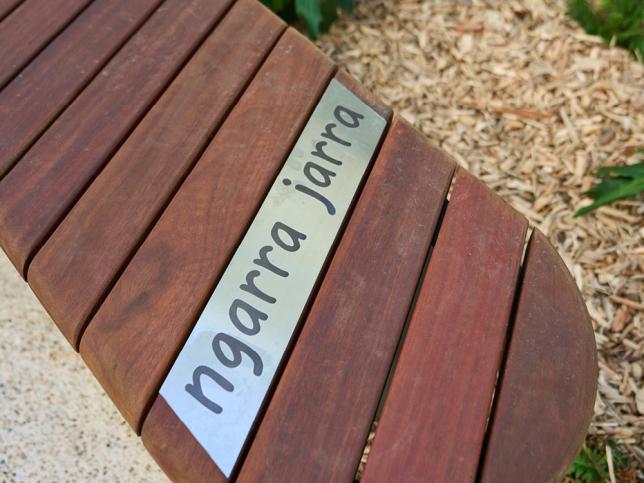
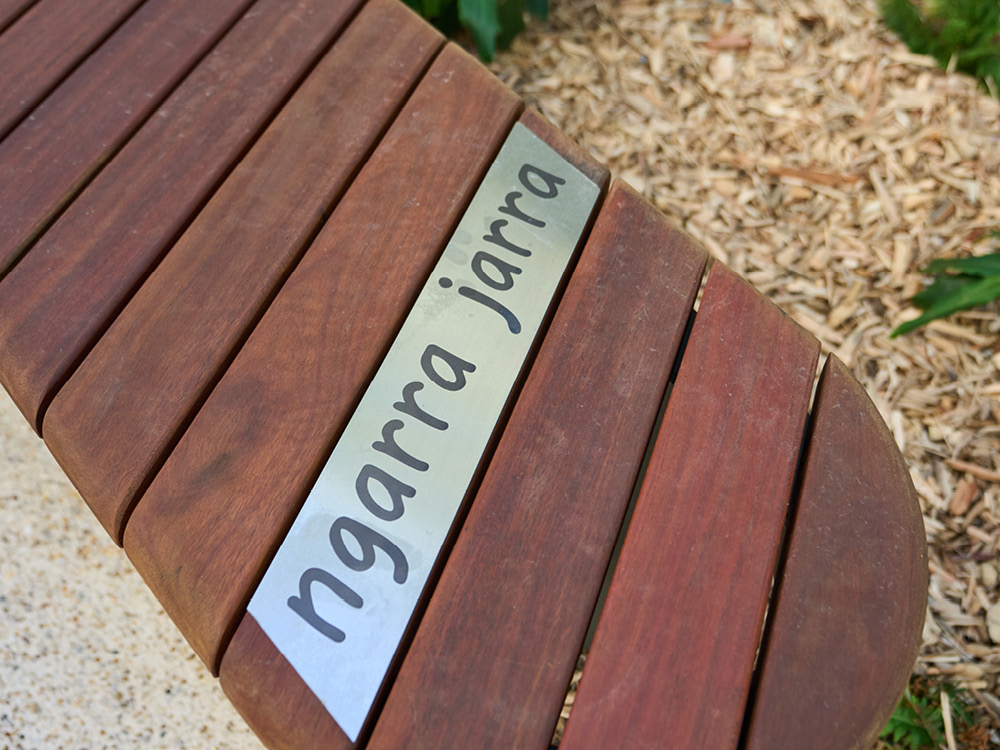
There is also a dedicated outdoor gathering space in the central hospital courtyard featuring a series of stone seats crafted from boulders, personally selected by Aunty Joy and Craig Murphy from the local Lilydale quarry. These stones not only offer a place for reflection and gathering but also serve as a tangible connection to the region’s geology and cultural history.
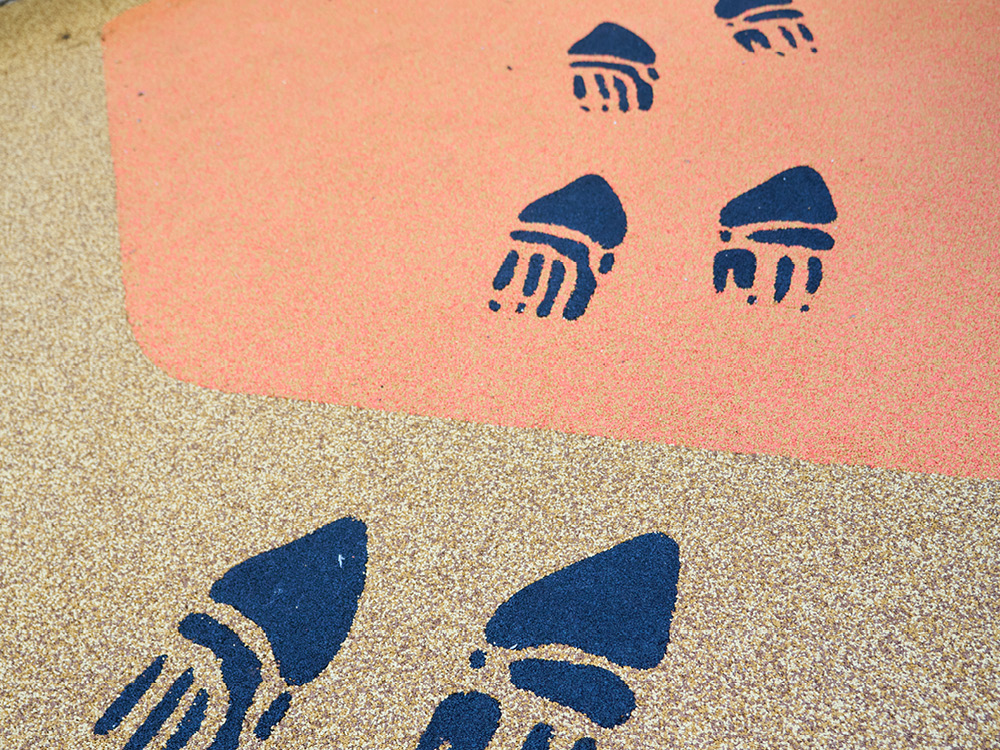
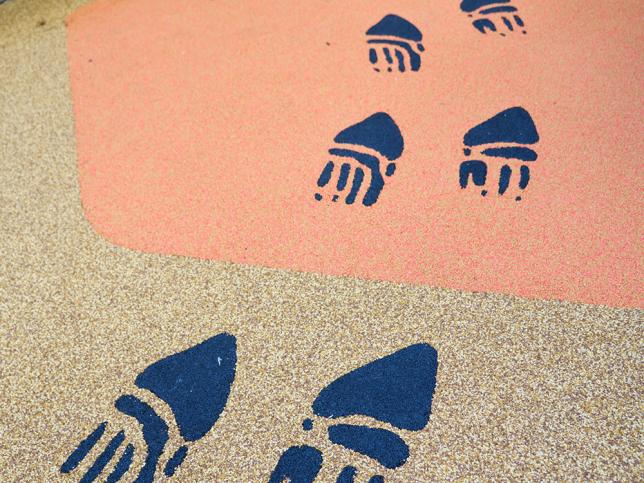
Indigenous footprint motifs incorporated into a coloured play surface in an outdoor courtyard.
Animal footprints represent local wildlife and storytelling at Angliss Hospital

In the central hospital courtyard, there is a Wurundjeri Trail with artwork on paving representing the Birrarung (Yarra River) guiding people through the hospital grounds. In the soft fall areas of the playground, giant kangaroo, wombat and echidna footprints show people what animals lived in the local area. Aunty Joy says the large-scale footprints might remind people of megafauna.
In a symbol of reconciliation, portraits of the hospital’s founders hang alongside portraits of significant Wurundjeri Elders including Aunty Annie Borate, Aunty Margaret Gardiner, Aunty Winnifred Quagliotti, and Aunty Joy Murphy Wandin.

Through all these thoughtful design elements, the Angliss Hospital expansion is creating a culturally safe and welcoming environment that honours Wurundjeri Country and heritage and fosters holistic healing for all.

Looking to the future

Guided by our value of caring for people and place, we are committed to partnering respectfully and meaningfully with First Peoples across all the work we deliver. Strengthening cultural safety is important in how we engage with communities, design infrastructure and support our people.

In supporting the VIDA First Peoples Cultural Safety Action Plan 2026-27 and our ongoing commitments to the Victorian Aboriginal Community Controlled Health Organisation (VACCHO), every VHBA staff member is required to undertake cultural safety training.

This training helps create a workplace where respect, inclusion, and cultural safety are part of how we work every day.

By understanding and respecting First Peoples cultures, experiences and perspectives, we can contribute to building a more inclusive and culturally safe environment for everyone.

Related content

Exterior view of a modern building with a series of large windows and an accessible entrance.

01 October 2025

New mixed medical facility opens in Bendigo

A new multi-million-dollar mixed medical facility has opened at the Bendigo and District Aboriginal Co-operative.
News
Corridor connecting old building with new medical centre at BADAC

16 September 2022

Designing for cultural safety

Using good design principles, we can create culturally safe health environments with, and for, Aboriginal people.
Article
Dot-painting graphic with the words Celebrating NAIDOC Week, Get up Stand up Show up 3-10 July 2022

05 July 2022

Celebrating NAIDOC Week 2022

During NAIDOC Week, we celebrate and acknowledge the rich history, diverse cultures and achievements of Aboriginal and Torres Strait Islander peoples.
Article
Last updated: 14 August 2026