


$7.6M
INVESTMENT IN ENERGY INITIATIVES

7,000
LIGHTS REPLACED WITH ENERGY SAVING LEDS

1,300
KILOWATT-PEAK SOLAR INSTALLED ACROSS 16 SITES

$1.46M
SAVINGS PER YEAR
Scope
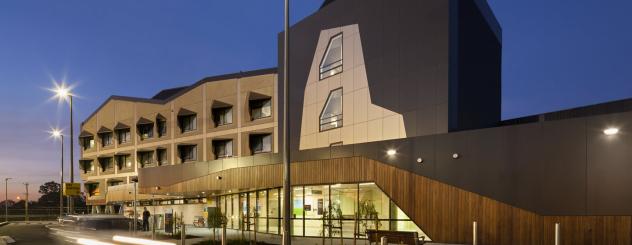
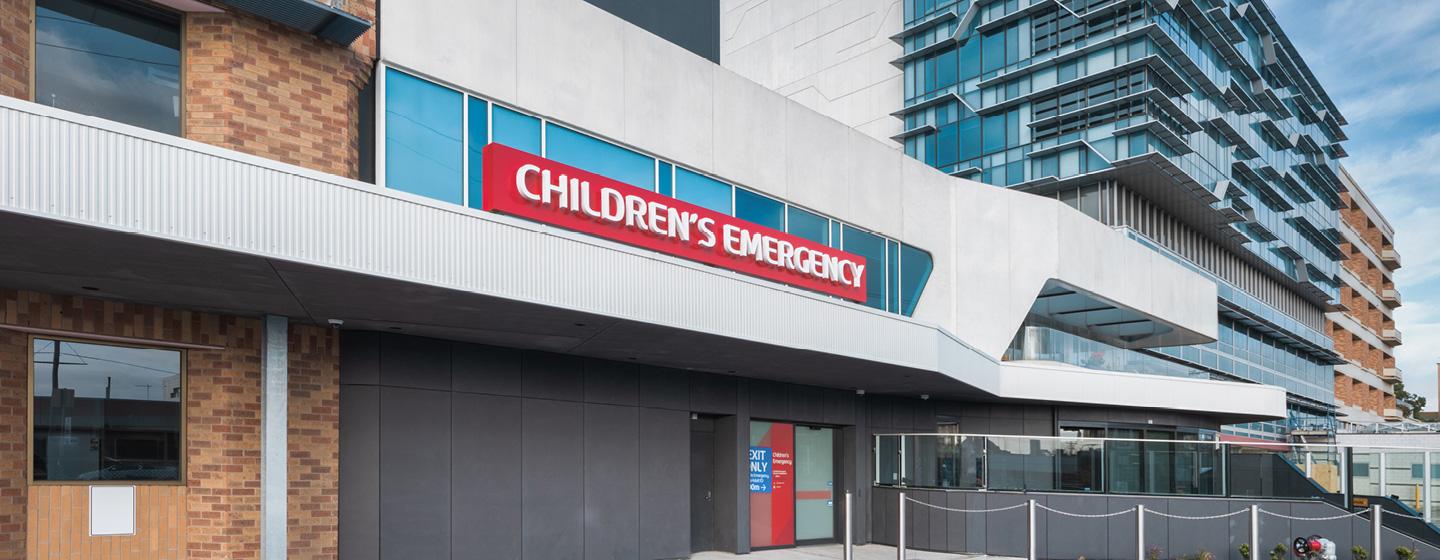
Energy upgrades are occurring at 22 Barwon Health sites including University Hospital Geelong, McKellar Centre, Alan David Lodge, Barwon Health North and Community Health Centres at Newcomb, Anglesea, Corio, Belmont and Torquay.
The upgrades include:
- mechanical plant optimisation to improve the efficiency of heating and cooling systems
- replacing more than 7,000 lights with high-efficiency LEDs lights at 16 sites
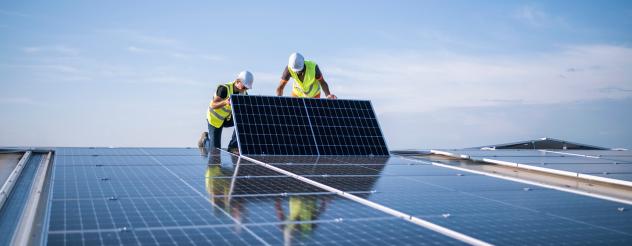
- installing 1,300 kilowatt-peak of solar at 16 sites
- improved building controls to improve plant operation and user comfort.
What is an energy performance contract?
An energy performance contract (EPC) is a process where a contractor is engaged to design, implement, verify and guarantee the savings from an energy project. This method of delivering energy upgrades to buildings is considered low risk and is widely used.
Benefits
The Barwon Health energy performance contract aims to deliver the following benefits:
Better for the environment
Hospitals and health services are one of the highest users of energy and water in Government. Infrastructure upgrades through energy performance contracts help facilities reduce their energy consumption, providing benefits to the environment.
Reducing energy consumption
Barwon Health’s energy performance contract will reduce energy consumption across their facilities. Once fully implemented, the project is reducing:
- electricity by 16 per cent – a saving of 3,500 gigawatt-hours a year
- gas usage by 5 per cent – a saving of 11,200 gigajoules a year.
The energy upgrades will reduce Barwon Health’s spending on utilities by around 20 per cent a year – an annual saving of $1.46 million.
Reducing the impact of climate change
Climate change is effecting the health and wellbeing of Victorians. By making infrastructure more energy-efficient, the project is helping reduce Victoria’s carbon emissions.
Improved patient and staff experience
Upgrading energy infrastructure will improve staff and patient experiences making it easier to provide best care to patients.
Partners
This project is being facilitated by the Victorian Health Building Authority in partnership with:
- Barwon Health
- FG Advisory
- Department of Treasury and Finance
- Department of Transport and Planning.
Timeline
- SEPT 2025 FUNDING APPROVED
- OCT 2025 DESIGN BEGAN
-
 JUNE 2026
INSTALLATION PLANNED
JUNE 2026
INSTALLATION PLANNED
-
DEC 2027
COMPLETION PLANNED
Swipe to navigate
Related content
25 May 2020
Peninsula Health - Energy performance contract
Peninsula Health’s energy performance contract is a sustainability initiative that has significantly reduced energy and water usage across four of their hospitals and healthcare facilities.
Program
15 April 2025
Energy Efficiency and Solar Program
The Victorian Government's Energy Efficiency and Solar Program, supported by a $40 million investment, is driving sustainable progress in health services statewide.
Project
22 October 2021
Guidelines for sustainability in capital works
Our sustainability guidelines provide advice and guidance on how to build sustainable and resilient buildings.
Guideline




Last updated: 11 March 2026